
Bone Grafting
Bone Grafting for Dental Implant Support
Major and Minor Bone Grafting
Over time, the jawbone associated with missing teeth may atrophy or become reabsorbed. This can leave patients with poor bone quality or quantity for dental implant placement. In these situations, many patients may not be candidates for dental implants without additional treatment.
Bone grafting gives the surgeon the ability to grow bone where it is needed. This can create the opportunity to place implants of proper length and width while helping restore function and esthetic appearance.

Major Bone Grafting
Repairing Areas with Inadequate Bone Structure
Bone grafting can repair implant sites with inadequate bone structure caused by previous extractions, gum disease, or injuries. Bone may be obtained from a tissue bank, or the patient's own bone may be taken from the jaw, hip, or tibia below the knee.
Sinus bone grafts may also be performed to replace bone in the posterior upper jaw. In some cases, special membranes are used beneath the gum to protect the bone graft and encourage bone regeneration. This is called guided bone regeneration or guided tissue regeneration.
Major bone grafts are typically performed to repair jaw defects that may result from traumatic injuries, tumor surgery, or congenital defects. Large defects are repaired using the patient's own bone, harvested from different sites depending on the size of the defect. Common donor sites include the skull, hip, and lateral knee.
These larger procedures are routinely performed in an operating room and may require a hospital stay.
Sinus Lift Procedure
Bone Grafting for the Upper Jaw
The maxillary sinuses are located behind the cheeks and above the upper teeth. Some natural upper tooth roots extend into the maxillary sinuses. When these upper teeth are removed, there may be only a thin wall of bone separating the maxillary sinus from the mouth.
Dental implants need bone to hold them in place. When the sinus wall is too thin, it may not be possible to place dental implants without additional bone support.
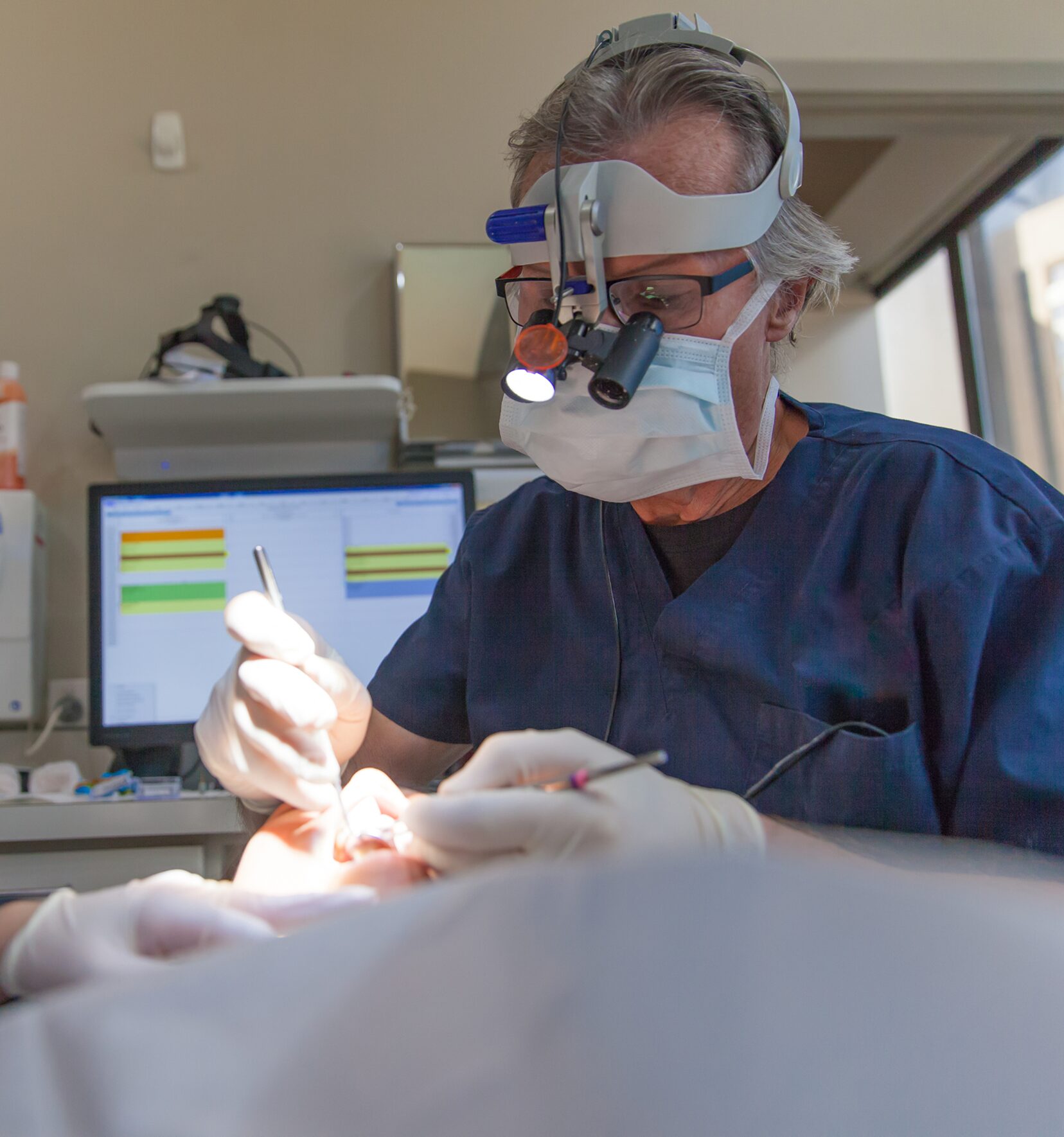
A sinus graft, also called a sinus lift graft, can help solve this issue. During this procedure, the dental implant surgeon enters the sinus from the area where the upper teeth used to be. The sinus membrane is lifted upward, and donor bone is inserted into the floor of the sinus.
After several months of healing, the grafted bone becomes part of the patient's jaw, allowing dental implants to be inserted and stabilized in the new sinus bone.
Sinus Augmentation and Implant Placement
Can Bone Grafting and Implants Be Done Together?
If enough bone exists between the upper jaw ridge and the bottom of the sinus to stabilize the implant, sinus augmentation and implant placement may sometimes be performed as a single procedure.
If there is not enough bone available, sinus augmentation must be performed first. The graft then needs several months to mature, depending on the type of graft material used. Once the graft has matured, the implants can be placed.
Ridge Expansion
Restoring Lost Bone Dimension
In severe cases, the jaw ridge may become reabsorbed and too thin for conventional implant placement. Ridge expansion is a technique used to increase the height or width of the jaw ridge.
During this procedure, the bony ridge of the jaw is mechanically expanded. Bone graft material can then be placed and allowed to mature for a few months before implant placement.
These procedures may be performed separately or together, depending on the patient's condition.
Bone Graft Materials
Types of Bone Used for Grafting
Bone grafting may use bone from different areas, depending on the individual's needs.
-
Bone from Inside the Mouth
In the maxillofacial region, bone can be taken from inside the mouth, including the chin, third molar region, or the upper jaw behind the last tooth.
-
Bone from the Hip or Tibia
In more extensive situations, a larger amount of bone may be taken from the hip or the outer aspect of the tibia at the knee.
-
Allograft and Synthetic Material
When the patient's own bone is used for repair or addition, it generally provides strong results. In many cases, allograft material may also be used for dental implant bone grafting. This bone is prepared from cadavers and used to help the patient's own bone grow into the repair site. Synthetic materials may also be used to stimulate bone formation.
-
Factors from the Patient's Own Blood
Factors from the patient's own blood may also be used to help accelerate and promote bone formation in graft areas.

What to Expect After Bone Grafting
Bone grafting procedures may be performed in an office surgical suite under IV sedation or general anesthesia.
After discharge, bed rest is recommended for one day, followed by limited physical activity for one week.
Locations
Serving Palm Desert and Palm Springs
Desert Oral Surgery provides bone grafting and dental implant preparation for patients in Palm Desert and Palm Springs.
-

Palm Desert Office
- Address: 72-780 El Paseo, Suite E-1, Palm Desert, CA 92260
- Phone: (760) 346-7431
- Hours: Mon to Fri: 8:00 AM to 6:00 PM · Sat and Sun: Closed
-

Palm Springs Office
- Address: 1900 E Tahquitz Canyon Way, Suite A-1, Palm Springs, CA 92262
- Phone: (760) 327-1509
- Hours: Mon to Fri: 8:00 AM to 6:00 PM · Sat and Sun: Closed
Related Services
Related Oral Surgery Services
Get Started
Schedule a Bone Grafting Consultation
If you have been told you do not have enough bone for dental implants, or if you need bone grafting after tooth loss, gum disease, injury, or another condition, Desert Oral Surgery can evaluate your needs and discuss your treatment options.