
TMJ Disorders
Evaluation and Treatment for TMJ Disorders
Understanding the Temporomandibular Joint
The temporomandibular joint, commonly known as the TMJ, connects the lower jaw to the skull and allows movement needed for chewing, speaking, and other daily activities.
Problems affecting this joint and the surrounding muscles may cause discomfort, limited jaw movement, clicking or popping sounds, and difficulty with normal jaw function.
Desert Oral Surgery evaluates TMJ-related concerns and helps patients understand their condition and available treatment options.

Signs and Symptoms
Common Symptoms of TMJ Disorders
TMJ disorders may present with different symptoms, including:
- Jaw pain or tenderness
- Clicking, popping, or grinding sounds when opening or closing the mouth
- Difficulty opening or closing the jaw
- Jaw stiffness
- Facial pain or discomfort
- Headaches associated with jaw tension
- Changes in how the teeth fit together
If you experience ongoing jaw discomfort or changes in jaw function, an evaluation can help identify the cause.
TMJ Evaluation
Comprehensive TMJ Assessment
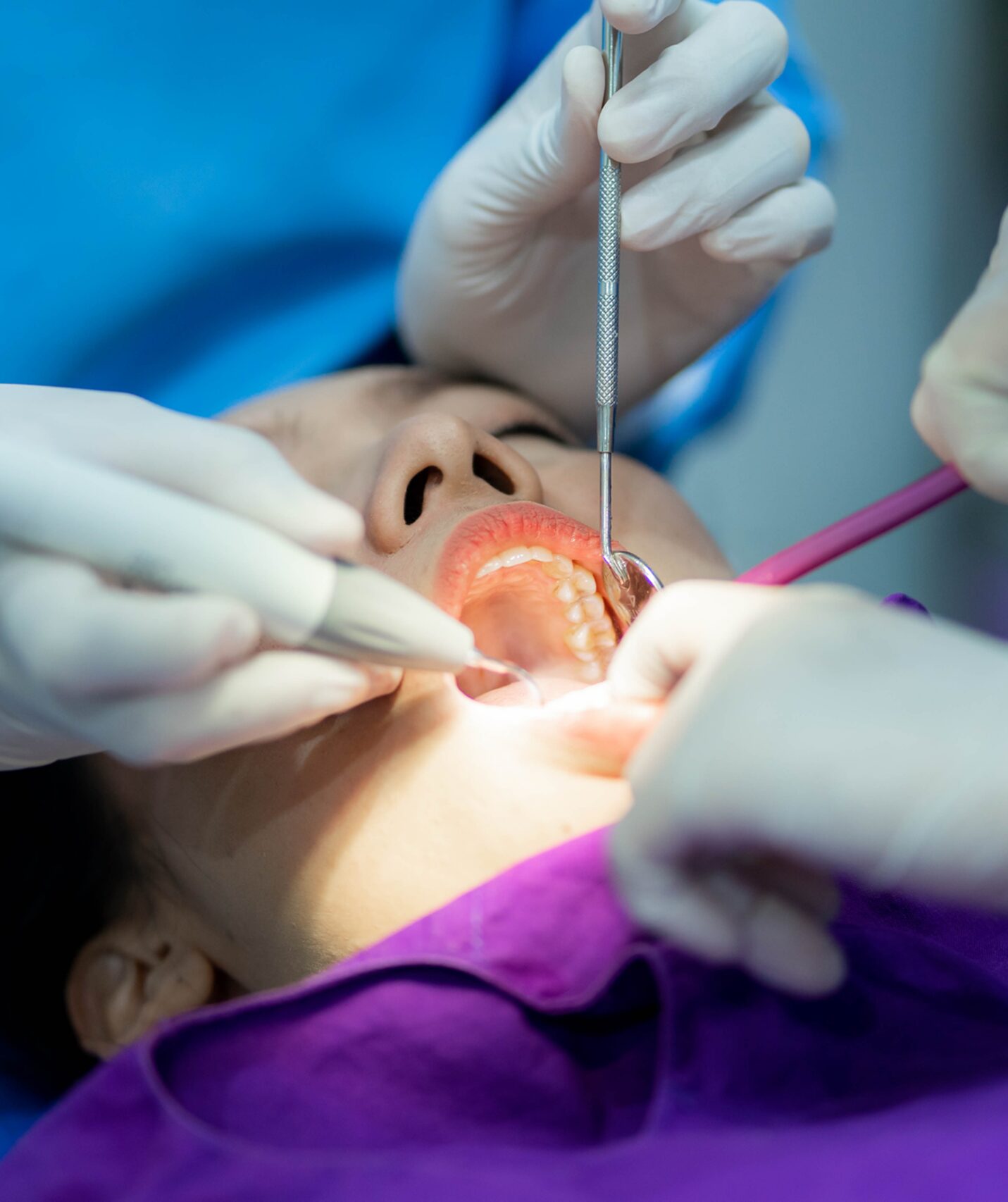
A TMJ evaluation begins with a review of your symptoms, medical history, and jaw function. Your oral surgeon may examine jaw movement, evaluate the surrounding structures, and recommend imaging when needed.
A proper diagnosis helps determine the most appropriate treatment approach based on your specific condition.

Treatment Options
Personalized Treatment Recommendations
Treatment for TMJ disorders depends on the cause and severity of symptoms. Options may include:
- Conservative approaches
- Lifestyle adjustments
- Medication
- Therapy
- Surgical treatment when appropriate
Desert Oral Surgery will discuss available options and help determine the next steps for your individual needs.
Surgical Care for TMJ Conditions
Advanced Oral and Maxillofacial Care
As oral and maxillofacial surgeons, the team at Desert Oral Surgery has specialized training in conditions affecting the jaw and facial structures.
When surgical treatment is recommended, your oral surgeon will explain the procedure, anesthesia options, recovery expectations, and follow-up care.
Patient Comfort
Comfort and Safety During Treatment
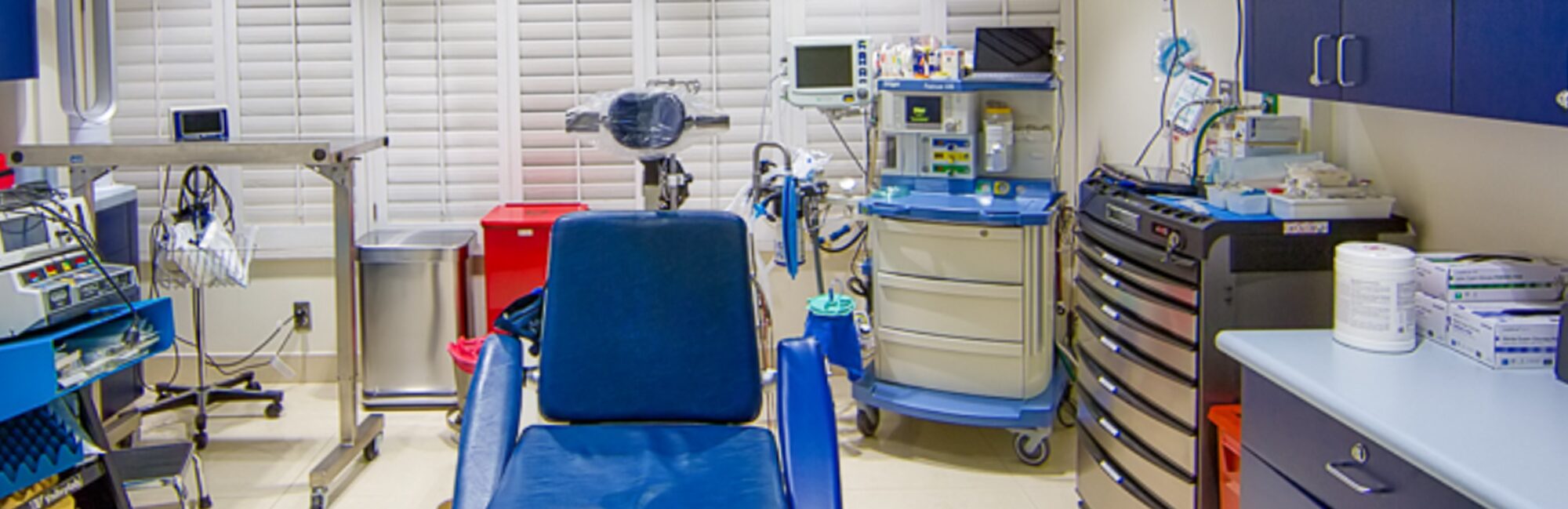
Desert Oral Surgery provides anesthesia and sedation options designed to help patients feel comfortable during surgical procedures.
Your treatment plan will include information about preparation, anesthesia, recovery, and post-operative care.
Locations
Serving Palm Desert and Palm Springs
Desert Oral Surgery provides TMJ evaluations and oral surgery consultations for patients throughout Palm Desert, Palm Springs, and surrounding Coachella Valley communities.
-

Palm Desert Office
- Address: 72-780 El Paseo, Suite E-1, Palm Desert, CA 92260
- Phone: (760) 346-7431
- Hours: Mon to Fri: 8:00 AM to 6:00 PM · Sat and Sun: Closed
-

Palm Springs Office
- Address: 1900 E Tahquitz Canyon Way, Suite A-1, Palm Springs, CA 92262
- Phone: (760) 327-1509
- Hours: Mon to Fri: 8:00 AM to 6:00 PM · Sat and Sun: Closed
Related Services
Related Oral Surgery Services
Get Started
Schedule a TMJ Consultation
If you are experiencing jaw pain, clicking, limited movement, or other TMJ-related concerns, Desert Oral Surgery can evaluate your condition and discuss available treatment options.