
Dental Implants
Dental Implants for Missing Teeth
A Long-Term Foundation for Replacement Teeth
Dental implants are changing the way people live. They are designed to provide a foundation for replacement teeth that look, feel, and function like natural teeth.
For patients who have lost teeth, dental implants can help restore the ability to eat comfortably, smile with confidence, and preserve natural facial contours. Implants also help preserve facial structure by preventing the bone deterioration that occurs when teeth are missing.

What Are Dental Implants?
How Dental Implants Work
Dental implants are small titanium posts that are inserted into the jawbone where teeth are missing. These posts act as tooth root substitutes and are surgically placed into the jawbone.
Over time, the bone bonds with the titanium, creating a strong foundation for artificial teeth. Small posts are then attached to the implant and protrude through the gums. These posts provide stable anchors for artificial replacement teeth.
The Surgical Procedure
What to Expect During Dental Implant Treatment
-
Placing the Implants
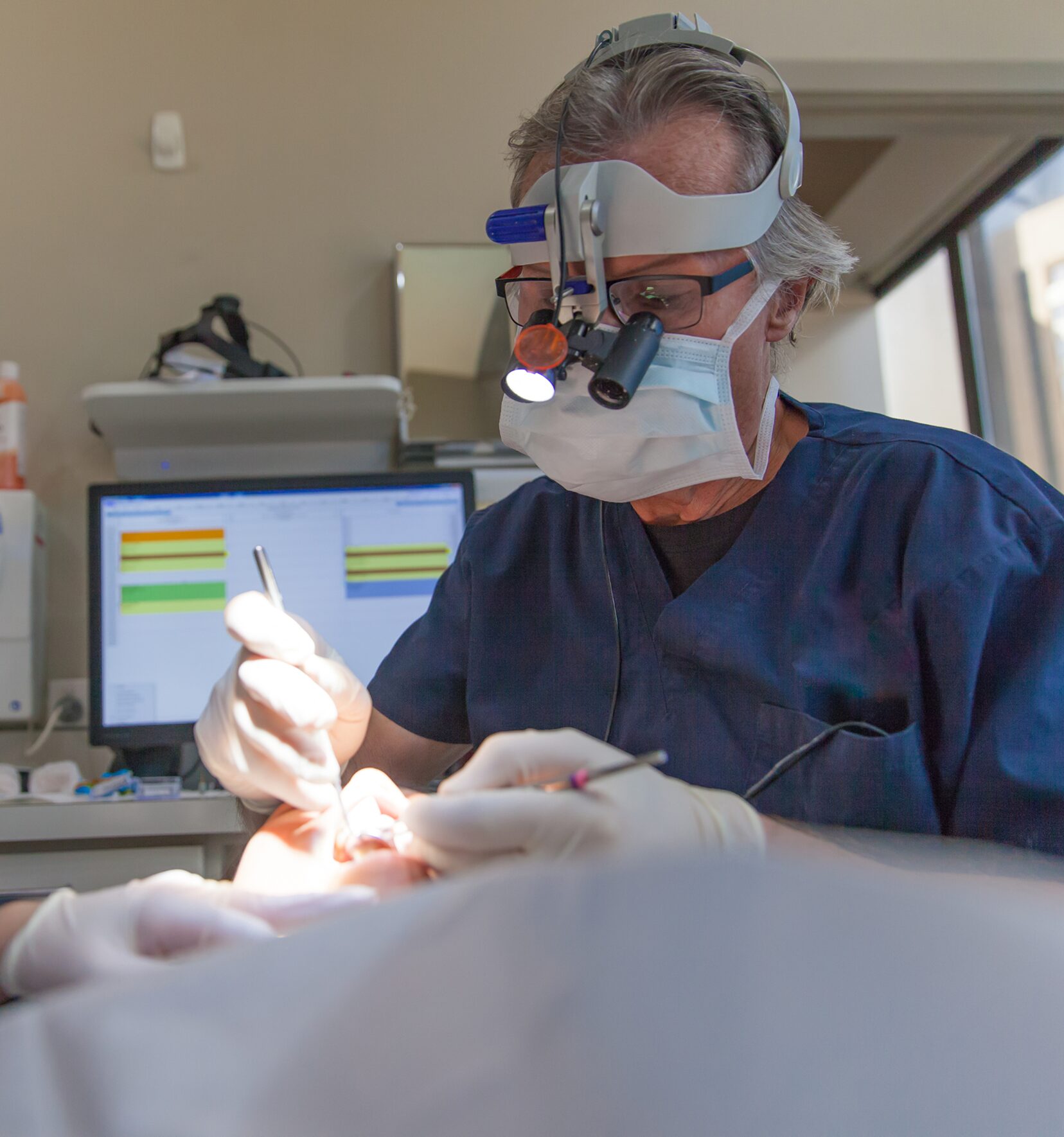
For most patients, dental implant placement involves two surgical procedures. First, the implants are placed within the jawbone. For the first three to six months after surgery, the implants remain beneath the surface of the gums while gradually bonding with the jawbone. During this time, patients may be able to wear temporary dentures and eat a soft diet while the dentist forms the new replacement teeth.
-
Uncovering and Attaching the Posts
After the implant has bonded to the jawbone, the second phase begins. The surgeon uncovers the implants and attaches small posts that act as anchors for the artificial teeth. These posts protrude through the gums, but they will not be seen once the artificial teeth are placed.
The entire procedure usually takes six to eight months. Most patients experience minimal disruption in daily life.
Surgical Advances
Single-Stage Implants and Immediate Loading
Using recent advances in dental implant technology, single-stage implants may be placed in select cases. These implants do not require a second procedure to uncover them, but they do require a minimum of six weeks of healing time before artificial teeth are placed.
There are also situations where implants can be placed at the same time as a tooth extraction, reducing the number of surgical procedures. In select cases, advances in dental implant technology may make it possible to extract teeth and place implants with crowns in one visit. This process is called immediate loading.
Team Approach
Who Performs the Implant Placement?
Dental implants are a team effort between an oral and maxillofacial surgeon and a restorative dentist.
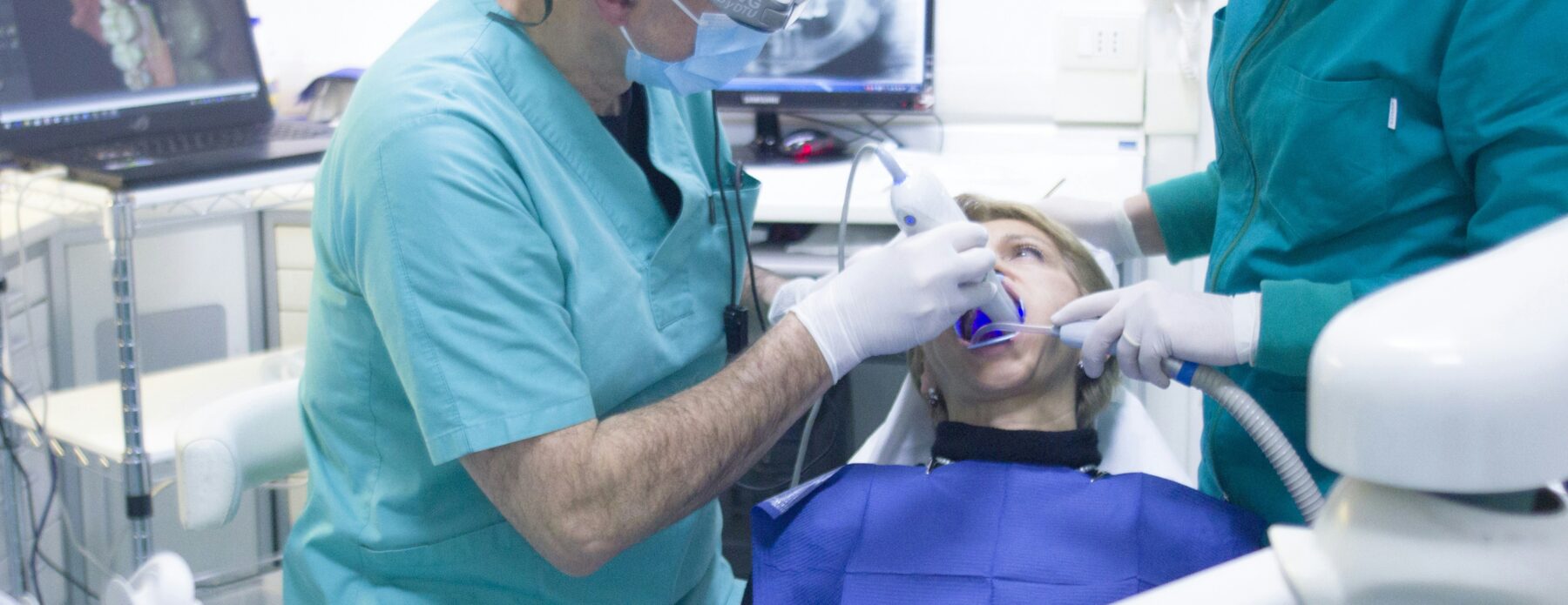
The oral and maxillofacial surgeon performs the implant surgery, along with any initial tooth extractions or bone grafting if necessary. The restorative dentist fits and makes the permanent prosthesis. The restorative dentist also makes any temporary prosthesis needed during the implant process.
Types of Prostheses
Replacement Teeth Options
Several types of prostheses may be used with dental implants.
-
Single Prosthesis (Crown)
A single prosthesis, or crown, is used to replace one missing tooth. Each prosthetic tooth attaches to its own implant.
-
Partial Prosthesis (Fixed Bridge)
A partial prosthesis, or fixed bridge, can replace two or more teeth and may require only two or three implants.
-
Complete Dental Prosthesis
A complete dental prosthesis, or fixed bridge, replaces all of the teeth in the upper or lower jaw. The number of implants varies depending on which type of complete prosthesis is recommended.
-
Removable Prosthesis (Overdenture)
A removable prosthesis, or overdenture, attaches to a bar or ball-in-socket attachments. A fixed prosthesis is permanent and can only be removed by the dentist.
Why Choose Dental Implants?
Why Dental Implants May Be Recommended
Dental implants may help patients regain confidence, comfort, and function after tooth loss. They can provide an alternative to traditional bridges, removable dentures, or partial dentures.
Dental implants may be recommended because they do not require sacrificing the structure of surrounding healthy teeth to bridge a space. They can also help avoid the inconvenience of removing dentures or partials at night, and they may reduce the discomfort or embarrassment caused by dentures that slip.
Are You a Candidate?
Dental Implant Consultation
If you are considering dental implants, your mouth must be examined thoroughly and your medical and dental history reviewed.
If your mouth is not ideal for implants, ways of improving the outcome may be recommended. This may include bone grafting or other procedures that help create a stronger foundation for dental implants.

Anesthesia for Dental Implants
Comfort During Implant Surgery
The majority of dental implants and bone grafts are performed in the office under intravenous sedation or general anesthesia.
Caring for Dental Implants
Long-Term Implant Care
Once dental implants are in place, they can serve patients well for many years when cared for properly.
Good oral hygiene is important. This includes brushing, flossing, and keeping regular appointments with dental specialists.
Locations
Serving Palm Desert and Palm Springs
Desert Oral Surgery provides dental implant consultations and oral surgery care for patients in Palm Desert and Palm Springs.
-

Palm Desert Office
- Address: 72-780 El Paseo, Suite E-1, Palm Desert, CA 92260
- Phone: (760) 346-7431
- Hours: Mon to Fri: 8:00 AM to 6:00 PM · Sat and Sun: Closed
-

Palm Springs Office
- Address: 1900 E Tahquitz Canyon Way, Suite A-1, Palm Springs, CA 92262
- Phone: (760) 327-1509
- Hours: Mon to Fri: 8:00 AM to 6:00 PM · Sat and Sun: Closed
Related Services
Related Oral Surgery Services
Get Started
Schedule a Dental Implant Consultation
If you are missing one tooth, several teeth, or all of your teeth, Desert Oral Surgery can evaluate your mouth, review your medical and dental history, and discuss whether dental implants may be an option for you.