
Impacted Canines
Treatment for Impacted Canines
Understanding Impacted Teeth
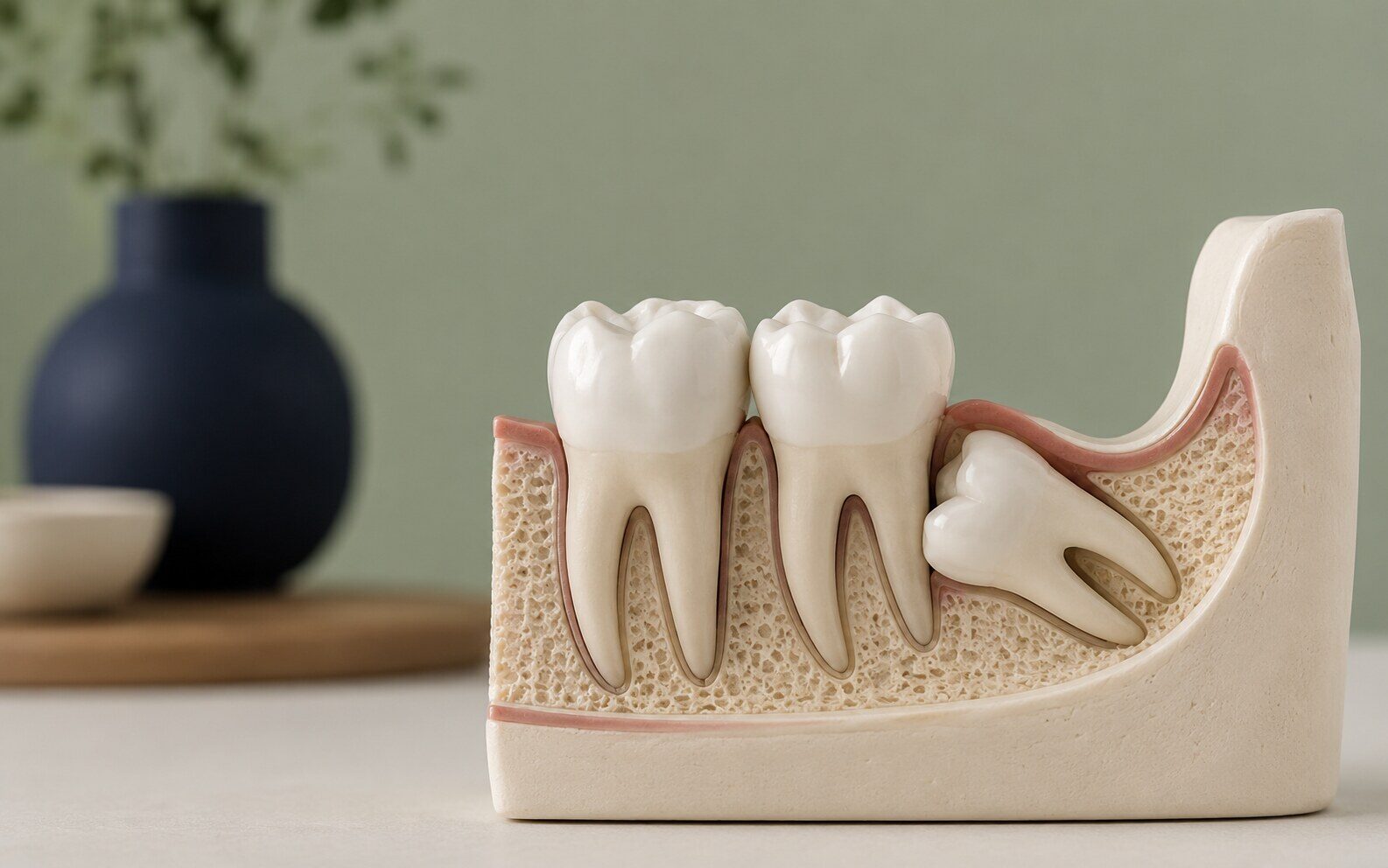
After the wisdom teeth, the upper canine teeth are the most common teeth to become impacted. Normally, the canine teeth erupt into the mouth after the front teeth and before the premolars.
When a canine tooth does not erupt properly, it may become impacted beneath the gum tissue or bone. An impacted canine may affect surrounding teeth, alignment, and overall oral health if left untreated.
Why It Happens
Why Canines Become Impacted
There are several reasons why a canine tooth may become impacted, including:
- Lack of space in the dental arch
- Abnormal tooth development
- The position of the tooth beneath the gum or bone
- Obstructions that prevent normal eruption
Early evaluation can help determine the best treatment approach and whether surgical intervention may be needed.
Evaluation
Evaluation and Treatment Planning
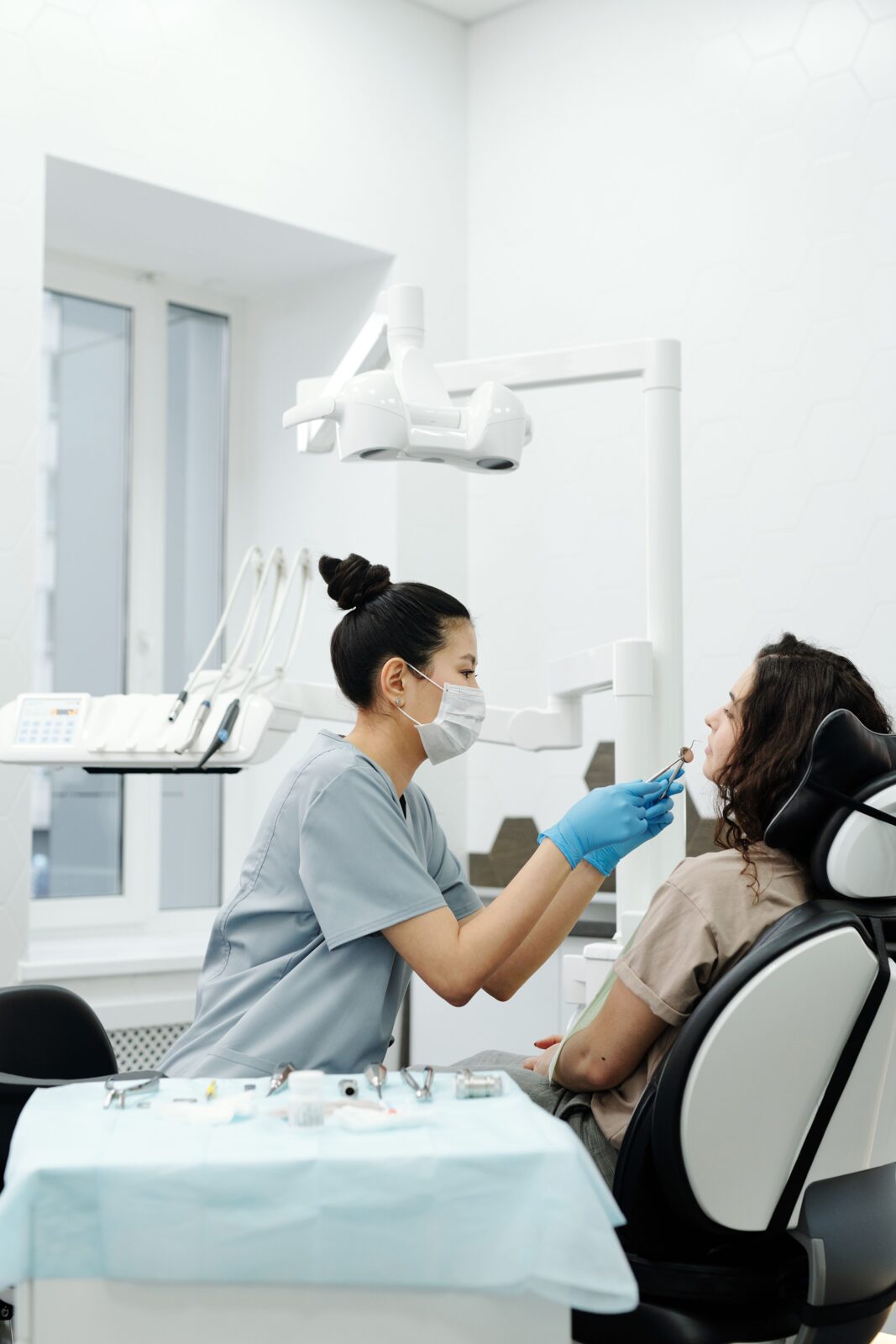
The first step in treating an impacted canine is a thorough evaluation. Your oral surgeon will review your dental history, examine the area, and use imaging to determine the location and position of the tooth.
Treatment often involves coordination between the oral surgeon and orthodontist to help guide the tooth into its proper position.
What to Expect
Surgical Exposure and Guided Eruption
-
Imaging and Positioning
Imaging shows where the canine sits beneath the gum tissue or bone and how it relates to the teeth around it, which determines the surgical approach.
-
Surgical Exposure
In many cases, treatment involves a procedure called surgical exposure. The gum tissue covering the impacted tooth is gently opened to allow access to the tooth.
-
Orthodontic Attachment
A small attachment may be placed on the tooth so that an orthodontist can gradually guide it into the correct position.
-
Healing and Follow-Up
After impacted canine surgery, patients receive detailed instructions to support healing and recovery, with guidance from our team throughout the healing process.
The procedure is typically performed using anesthesia options designed to help keep patients comfortable throughout treatment.
Working Together with Your Orthodontist
Successful treatment of impacted canines often requires collaboration between your orthodontist and oral surgeon.
The oral surgeon helps expose and prepare the tooth, while the orthodontist works to move the tooth into the correct position using orthodontic treatment.
This coordinated approach helps create a healthy, functional bite.
Locations
Serving Palm Desert and Palm Springs
Desert Oral Surgery provides oral surgery evaluations and treatment for patients throughout the Coachella Valley.
-

Palm Desert Office
- Address: 72-780 El Paseo, Suite E-1, Palm Desert, CA 92260
- Phone: (760) 346-7431
- Hours: Mon to Fri: 8:00 AM to 6:00 PM · Sat and Sun: Closed
-

Palm Springs Office
- Address: 1900 E Tahquitz Canyon Way, Suite A-1, Palm Springs, CA 92262
- Phone: (760) 327-1509
- Hours: Mon to Fri: 8:00 AM to 6:00 PM · Sat and Sun: Closed
Related Services
Related Oral Surgery Services
Get Started
Schedule an Impacted Canine Consultation
If you or your child has an impacted tooth, Desert Oral Surgery can evaluate the condition and discuss available treatment options.